How to Effectively Manage a Bee Sting

Intro
Navigating the steps to address a bee sting ensures not only a prompt reaction but can also lead to better long-term outcomes. The anatomy of a bee sting holds secrets to the reactions they cause, and understanding these can be pivotal in managing your response effectively. Here, we explore both immediate remedies and natural solutions, guiding you on the path to relief.
Understanding Bee Stings
Addressing a bee sting effectively begins with understanding the nature and biology of the sting itself. It's crucial not only for immediate treatment but also for preventing future incidents. By grasping the mechanisms behind bee stings, individuals can make informed decisions about how to react and protect themselves in various situations. Bee stings can cause not only discomfort but can escalate into serious health risks, particularly for those who may be allergic. Hence, recognizing the signs and symptoms associated with different stings aids in determining the appropriate response.
The Biology of a Bee Sting
The Anatomy of a Bee Sting
A bee sting is a combination of anatomical features that facilitate both the delivery of venom and the mechanism of injury. The most notable part of this anatomy is the barbed stinger. When a honey bee stings, it embeds its stinger into the skin, and due to its barbed structure, it becomes lodged, making it difficult to remove without extracting the venom sac along with it. This unique feature contributes to the bee's defensive capabilities. The longer the stinger remains in the skin, the more venom it releases, intensifying the pain and potential allergic response.
This structure serves a dual purpose – it not only injects venom but also can be a barrier to immediate removal, highlighting the need for prompt action by individuals experiencing a sting. Understanding this anatomy aids in recognizing how to respond effectively when one is stung.
Venom Composition and Effects
The venom from bee stings is a complex mixture of proteins, peptides, and enzymes which contribute to its harmful effects. One of the primary components is melittin, a protein that triggers pain and inflammation. This chemical cocktail can provoke a range of reactions from mild irritation to severe allergic responses. Learning about the venom's composition is essential, as it allows one to better understand the nature of their symptoms and the potential need for medical intervention.
The effects of the venom can vary depending on individual sensitivity and the amount injected. Thus, having knowledge of these elements can help in assessing one's risk and in determining the correct course of action after being stung.
Types of Bees and Their Stings
Honey Bees
Honey bees are perhaps the most well-known stinging insects, mainly due to their role in pollination and honey production. Their stings can cause significant pain, primarily due to the venom they inject, which contains several compounds that can elicit a strong inflammatory response. This is a particularly crucial aspect to discuss since honey bees are often involved in close contact with humans. Their penchant for defending their hive makes awareness of their stings essential for anyone venturing near their habitats.
Honey bees lead to even greater concern during events when they swarm or perceive a threat from humans, increasing the likelihood of stinging.
Bumble Bees
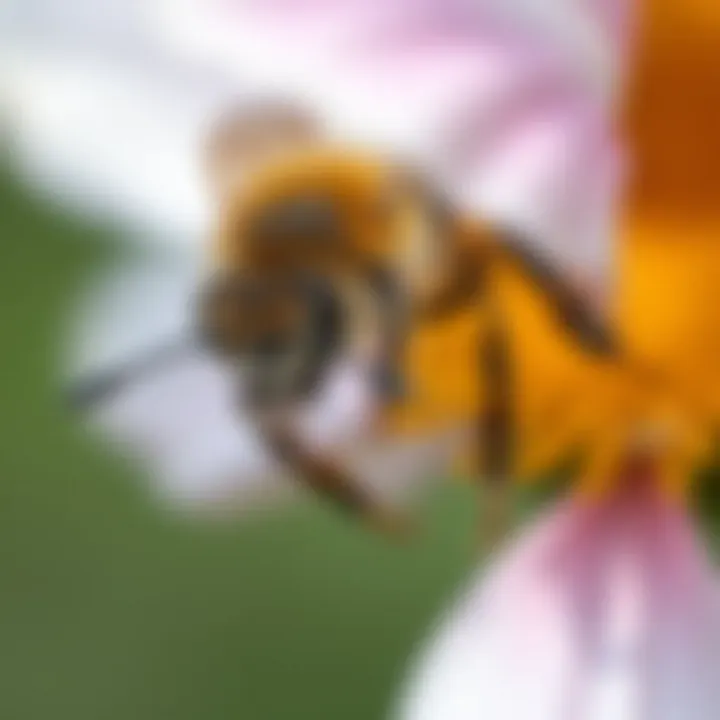
Bumble bees, with their larger size and fuzzy appearance, are another common species that can sting. Generally, they are less aggressive than honey bees and are more likely to sting only when provoked. However, their venom can still cause pain and adverse reactions similar to honey bees. Understanding the distinctions between bumble bee and honey bee stings helps individuals make better decisions around minimizing interactions with these insects.
Bumble bees have a unique feature—they can sting multiple times, unlike honey bees, which die after stinging. This capability makes them noteworthy, especially in contexts where they might feel threatened.
Wasps and Hornets
Wasps and hornets, while not technically bees, share a striking similarity in their ability to sting. They are generally more aggressive and can sting multiple times, which makes their stings particularly dangerous. Their venom tends to cause more severe pain than that of honey bees and bumble bees, increasing the potential for allergic reactions.
Understanding their behaviors, such as defending their nests vigorously, is vital for avoiding encounters with these insects. The emphasizing point here is recognizing different types of stings and their implications ensures individuals are prepared and educated.
Thus, comprehending the intricacies of bee stings—ranging from the anatomy of the sting mechanism to the characteristics of various bee species—equips readers with valuable insight to address beestings effectively and proactively manage their risks.
Immediate Response to a Bee Sting
When faced with a bee sting, time is of the essence. Addressing the situation promptly can significantly minimize discomfort and reduce the risk of serious complications. Immediate response not only soothes the stinging pain but also sets the groundwork for further actions if needed. Knowing the right steps to take can mean the difference between a minor irritation and a severe reaction.
Assessing the Situation
Determining the Bee Type
Understanding the type of bee that has delivered the sting plays a vital role in how one should react. Different bees and wasps have varying behaviors and venom compositions that determine severity. Honey bees, for instance, leave their stinger behind, leading to more venom exposure. In contrast, bumblebees may sting but are generally less aggressive.
Moreover, knowing whether the sting came from a honey bee, a wasp, or a bumblebee can influence your follow-up actions, especially regarding allergic reactions. Identifying the bee can provide critical insights into whether over-the-counter treatments or emergency medical help may be necessary. One notable aspect of identifying the bee type is the tendency of some individuals to panic, which may lead to rash decisions. Remaining calm and observant is crucial. If you find yourself in a situation where identification isn't clear, it's advisable to treat the sting with care, as even a common honey bee could trigger an allergic reaction in unsuspecting individuals.
Identifying Allergic Reactions
Recognizing signs of an allergic reaction immediately can be a game-changer. The key characteristic here is awareness. Some individuals exhibit immediate symptoms such as swelling beyond the sting area, hives, or difficulty breathing, signaling a possible anaphylactic reaction.
Swiftly identifying these signs allows you to seek professional medical help sooner rather than later. This is crucial. While many stings result in normal reactions, about 5-7% of people can experience severe reactions, making the ability to discern symptoms critical. In some instances, a person might not be aware they have an allergy until they are stung, so vigilance is necessary.
First Steps to Take
Remove the Stinger Promptly
One of the first actions to consider is the prompt removal of the stinger. Leaving it embedded in the skin prolongs venom exposure, causing unnecessary pain and increased swelling. The first few minutes post-sting are essential; you want to act quickly. Typically, it's recommended to scrape the stinger out with a fingernail or a credit card. Avoid pinching it as this could pump more venom into the system.
This method stands out due to its focus on immediate removal of irritants, which is central to minimizing both discomfort and potential allergic responses. A swift removal can make a world of difference in the aftermath of a sting.
Clean the Affected Area
After you've tackled the stinger, it’s equally important to clean the area around the sting. A gentle washing with soap and water reduces the chance of infection, which can occur if bacteria enter through the puncture created by the sting. Cleaning also helps soothe irritation. Disinfecting the site with antiseptics is another good precaution.
The emphasis on cleanliness not only promotes healing but also provides peace of mind. Many underestimate the importance of this step, thinking that immediate symptoms alone necessitate attention while overlooking the long-term effects of untreated wounds. Well, keeping the affected area clean becomes a simple yet effective way to manage the sting's overall impact.
"Act quickly and rationally in the event of a bee sting. Swift responses help in managing pain and preventing complications."
In summary, the immediate response to a bee sting revolves around determining the situation correctly and taking necessary first steps. Knowing whether the sting comes from a honey bee, bumblebee, or wasp, coupled with an understanding of allergic reactions and prompt actions can turn a potentially harmful experience into a manageable one.
Home Remedies to Alleviate Symptoms
When a bee sting occurs, the immediate reaction often involves a flurry of frantic movements and concerns about more serious reactions. However, calming down and knowing what to do next can make a significant difference. Home remedies emerge as practical solutions to alleviate discomfort and support the healing process. They are essential in this article because they offer strategies that are easy to implement, often with ingredients readily available at home, empowering individuals with knowledge and confidence to manage the aftermath of a sting effectively.
Home remedies can be particularly appealing due to their accessibility and perceived safety. These approaches not only soothe pain but can also help prevent further complications. Let’s delve into two popular strategies: the application of cold compresses and utilizing natural remedies.
Cold Compress Applications
Frequency and Duration
Applying a cold compress after a bee sting is a time-tested method for reducing swelling and numbing pain. The key aspect to consider for effectiveness is frequency and duration of the application. Ideally, the cold pack should be applied for about 15-20 minutes at a time, repeated every hour as needed. This pattern allows the skin to gradually adapt, minimizing irritation while maximizing relief.
This approach stands out because it provides immediate, tangible relief without the need for pharmaceutical products, making it a popular choice among those who prefer natural remedies. The only downside may be the necessity to keep track—if one isn't careful, they might lose count of the timing and apply it too frequently, possibly causing further discomfort due to cold sensitivity.
Benefits of Cold Therapy
Cold therapy has substantial benefits, the most noteworthy being its ability to effectively minimize inflammation. The cold works by constricting blood vessels near the sting area, leading to reduced blood flow and, consequently, less swelling. Furthermore, this method is beneficial due to its simplicity and the rapid relief it can provide. Cold therapy can also numb nerve endings, dulling pain signals sent to the brain, which is invaluable when dealing with the sharp discomfort of a sting.
Moreover, cold compresses are non-invasive and have minimal risks when used correctly. They are a common household item—ice cubes wrapped in cloth or a pack from the freezer—making them an easy go-to solution. Yet, for individuals with sensitive skin or conditions affecting circulation, caution is advised. Overexposure to cold can lead to issues like frostbite, although this is less likely with careful usage.
Natural Remedies
Baking Soda Paste
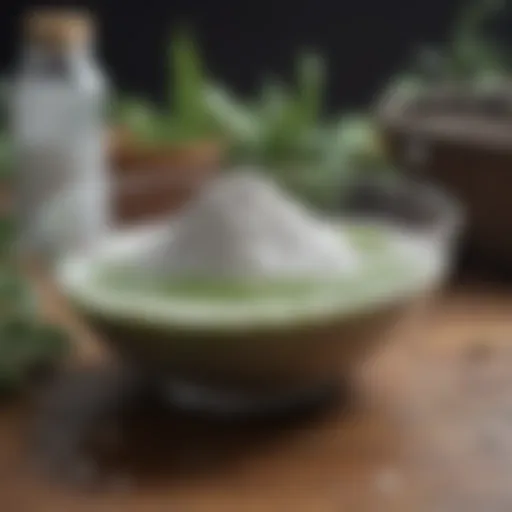
Baking soda is a staple in many households, not just for baking but also as an effective home remedy for bee stings. The alkaline properties of baking soda paste can help neutralize the acidity of bee venom, potentially easing inflammation and itching. To make a paste, mix a tablespoon of baking soda with water until it forms a thick consistency and apply it to the affected area for around 15-20 minutes.
Its low toxicity and accessibility make it a wise choice for individuals seeking quick relief without the side effects of chemical medications. However, while it is generally safe, people with sensitive skin might find that it causes irritation, so a spot test is wise before full application.
Honey and Its Healing Properties
Honey might be sweet, but it also packs a punch when it comes to healing. Rich in antioxidants and possessing natural antibacterial properties, honey can help reduce inflammation and promote healing after a bee sting. Applying a small dab directly to the sting site can provide both relief from pain and prevention of infection. The method is simple; however, ensure that you use raw honey, as it retains more beneficial properties than processed varieties.
The unique aspect of honey is its ability to draw moisture, which can help to soothe dry or irritated skin. Even so, people with a known allergy to honey (which is relatively rare) should avoid this remedy due to the risk of allergic reactions.
Apple Cider Vinegar Treatment


Apple cider vinegar has gained popularity for a wide range of home treatments, including as a remedy for bee stings. When applied to a sting, its acetic acid content can aid in neutralizing the effects of venom, potentially reducing pain and irritation. Applying a small amount to a cotton ball and gently dabbing it on the sting is advisable.
This remedy is favored because it’s a readily available kitchen item, and its multipurpose use goes beyond just bee stings. However, caution is essential. The acidity, while beneficial in small amounts, can irritate sensitive skin. Therefore, it’s recommended to dilute the vinegar with equal parts water for those with more sensitive skin.
Home remedies, like the ones discussed, not only alleviate discomfort but also encourage a proactive approach to self-care. Understanding which remedies work effectively can give you the confidence needed in the event of a bee sting, allowing for a smoother recovery process.
Over-the-Counter Treatments
Antihistamines and Pain Relievers
Dosage Recommendations
When it comes to antihistamines and pain relievers, proper dosage is crucial. Overusing these medications can lead to unnecessary complications. For instance, popular antihistamines like diphenhydramine (Benadryl) typically follow a dosage of 25-50 mg every four to six hours, without exceeding 300 mg per day. Pain relievers, such as ibuprofen, generally recommend a dose of 200-400 mg every six to eight hours, not exceeding 1,200 mg in a day for over-the-counter use.
Many people find relief through these options because they help minimize the uncomfortable effects of a sting. Knowing the exact dose to take ensures effectiveness while reducing the likelihood of side effects. This precise approach is particularly beneficial for those with sensitive systems.
Potential Side Effects
While antihistamines and pain relievers are generally safe, it’s important to acknowledge their potential side effects. Some common reactions to antihistamines can include drowsiness, dry mouth, or dizziness, but these usually dissipate once the medication is out of the system. Pain relievers, on the other hand, can sometimes lead to gastrointestinal issues or even increased blood pressure in sensitive individuals.
"Know what you’re putting into your body." Ensuring you remain aware of these side effects allows for better management of what to expect. Understanding these elements helps you make informed choices, maximizing the benefits while minimizing risks.
Topical Applications
Topical treatments can provide targeted relief for symptoms directly at the site of the sting, and do wonders for both discomfort and inflammation. These creams and lotions serve as quick fixes, allowing one to function better without the sting's nagging pain.
Hydrocortisone Cream
Hydrocortisone cream has garnered respect among topical applications for its potency against inflammation. Used effectively, it can bring down swelling and itchiness, creating a more comfortable state post-sting. Generally, it’s recommended to use a low-potency cream (1%) applied a few times a day, ideally after cleaning the affected area.
Its unique characteristic lies in its ability to tackle underlying inflammation rather quickly, helping to ease the body's response to the venom. Thus, it proves to be a popular choice for many dealing with the frustrating aftermath of stings. To some, it’s become a go-to solution in their medicine cabinets. But likewise, if abused, it can thin the skin or lead to additional irritation.
Calamine Lotion
On another hand, calamine lotion provides another effective topical remedy. Known primarily for its soothing capabilities among mildly irritated skin, it not only comes to the rescue with its cooling effect but can also alleviate itchiness. The unique feature of calamine is its blend of zinc oxide and iron oxide, creating a light, non-greasy mixture that doesn’t cause clogs.
It is easy to apply, making it an available option for people of all ages. Calamine lotion might not be as fast-acting as hydrocortisone cream, but many find its gentle relief comforting. While it often works well for minor irritations, it may not address severe inflammation resulting from more serious reactions.
In closing, exploring over-the-counter treatments adds a layer of practicality to dealing with bee stings. Knowing your options allows individuals to target their treatment effectively and provide their body with the support needed to return to regular activities with minimal discomfort.
Recognizing Severe Reactions
Recognizing severe reactions to a bee sting is crucial for ensuring the safety and health of those affected. Ignoring the signs of a serious allergic reaction—like anaphylaxis—can be life-threatening. It’s not just about relief from pain; it’s about identifying when every second counts.
Immediate awareness can result in timely treatment, which can be the difference between life and death. By being informed about the potential symptoms and responses, individuals can react swiftly and correctly, mitigating risks associated with bee stings.
Anaphylaxis: A Critical Emergency
Symptoms to Watch For
When discussing symptoms of anaphylaxis, one must understand that it often manifests suddenly. The signs can range from mild to life-threatening and can develop within minutes of a sting. Key indicators include
- Swelling of the lips, tongue, or throat.
- Difficulty breathing or wheezing.
- Rapid or weak pulse.
- Rash or hives over the body.
One of the main characteristics of anaphylaxis is its rapid progression. This makes it vital to recognize that what may seem like a standard allergic reaction can escalate quickly. The unique aspect of these symptoms is that they’re not exclusive to stings—they can also occur due to food allergies or medications.
Observing these symptoms closely provides both reassurance and urgency. For instance, if a person starts showing swelling coupled with difficulty breathing, it's critical. The benefits of being aware of these signs can't be overstated.


Emergency Response Procedures
The procedures to address anaphylaxis must be clear and swift. First off, laying the person down and elevating their legs might help in maintaining blood flow. If an auto-injector is available, it should be administered right away. It's like that saying goes: "The first five minutes are crucial."
One of the most significant traits of emergency procedures is that they aim to stabilize the individual while waiting for medical professionals. An EpiPen, which delivers epinephrine, is central to this response. Without it, symptoms can worsen dramatically, leading to unconsciousness and shock. The unique feature of these procedures is that they empower bystanders to act, ensuring timely intervention can minimize damage.
When to Seek Professional Help
Indicators for Medical Assistance
Knowing when to seek medical assistance is part of recognizing severe reactions. Some telltale indicators include:
- Persistent shortness of breath despite treatment.
- Swelling that continues to expand.
- Severe abdominal pain or gastrointestinal symptoms.
These indicators are vital as they signal that at-home remedies aren't sufficing, and quick professional intervention is necessary. The key characteristic here lies in the persistence and severity of symptoms. If a reaction lingers despite available treatments, it’s a red flag. The unique feature of addressing medical assistance lies in understanding that medical professionals have the tools to intervene effectively.
Long-Term Care Considerations
Long-term care after a severe reaction may involve follow-up visits to an allergist or immunologist. Those who have experienced anaphylaxis are often advised to carry emergency medication—like an EpiPen—at all times. Educational resources might also include allergist assessments to determine if these reactions are likely to reoccur.
A significant aspect is that long-term considerations often focus on prevention. By understanding the nuances of one's allergies, individuals can reduce the chance of future encounters. It's beneficial as it opens the door to better management strategies and informed lifestyle adjustments.
Recognizing severe reactions to bee stings isn’t always straightforward. However, being equipped with this knowledge can empower individuals—allowing them to act decisively when time matters most.
Preventing Future Bee Stings
Preventing future bee stings is like having an umbrella in your car during a sudden downpour; it's all about being prepared. It's essential to take precautions to avoid unnecessary encounters and discomfort. Knowing how to prevent these incidents can greatly reduce the risk of stings and the associated reactions.
By employing proactive strategies, individuals can not only safeguard themselves but also those around them, especially children and pets who may be more prone to such mishaps. Armoring oneself with knowledge is the first step towards minimizing those pesky encounters with bees.
Personal Protective Measures
Proper Clothing Choices
When heading into areas where bees might be buzzing about, proper clothing can serve as your first line of defense. Loose-fitting clothing, particularly long sleeves and pants, can significantly reduce skin exposure. Besides that, opting for lighter colors tends to attract fewer bees, making this a wise choice. For instance, beige or pastels can blend better with the natural surroundings than darker colors which might catch a bee's eye.
Key Characteristics: This style of clothing not just shields from stings but also ensures comfort during outdoor activities.
However, you should be mindful of what materials you wear. Fabrics like synthetic fibers can cling and potentially stir more irritation while moving through underbrush or gardens. Natural fibers, on the other hand, typically breathe better and can help keep you cool in the heat.
Avoidance Strategies
Avoidance strategies are all about being smart and aware. Recognizing the environments where bees are commonly found—like flowering gardens or trash cans overflowing with sweet liquids—can help individuals steer clear of potential trouble. You might say it’s akin to not poking a sleeping bear; just keep a respectful distance.
Key Characteristics: These proactive strategies offer a sense of security without restricting outdoor activities. By planning your excursions around peak bee activity times, you reduce your chance of getting stung.
Yet, it's crucial to remember that some situations are unpredictable. For example, if you're enjoying a picnic, proper food storage solutions, like sealed containers, can go a long way in ensuring you’re not drawing in unwanted guests.
Educating Others
Teaching Children About Bees
Education plays a critical role in transforming fear into respect. Teaching children about bees includes explaining their importance in pollination and the environment while also highlighting safety tips. For instance, helping them recognize when to stay away from bees can prevent unwanted encounters. It's all about creating awareness without instilling fear; instilling an understanding of their role in nature can also spark interest in environmental preservation.
Key Characteristics: This guidance empowers children, providing them with tools to navigate outdoor environments safely and respectfully.
However, you have to be careful not to make it too technical or serious for them. Simplifying concepts and weaving in stories can make a big difference in how effectively they absorb the information.
Community Awareness Programs
Community awareness programs can be game-changers in reducing bee stings, as they create a ripple effect of education. Engaging local communities through workshops or informational sessions offers a platform to share knowledge about bee behavior, safety precautions, and even how to keep bees in gardens without causing trouble. This fosters a sense of shared responsibility and camaraderie among neighbors.
Key Characteristics: These programs not only enhance safety but can also create opportunities for community bonding through mutual understanding and shared experiences with nature.
Yet, successfully implementing these initiatives requires collaboration and commitment from various stakeholders, including local schools, health departments, and environmental groups. This can be a challenge, but with the right approach, it can yield long-lasting benefits for everyone involved.