Echeveria Black Knight: Unique Care and Cultivation Tips


Intro
Echeveria Black Knight is a captivating succulent that stands out in the world of ornamental plants. Its rosettes are an intriguing blend of deep purple and green hues, making it a favorite among succulent enthusiasts. What sets this plant apart is not just its appearance but also its resilience and ability to thrive in various conditions. In this article, we will delve deep into the characteristics, care, and cultivation practices associated with Echeveria Black Knight, providing both novice and experienced growers with insightful information. By the end of our exploration, you will be well-equipped to nurture this remarkable succulent and understand its role in enhancing garden aesthetics.
Animal Profile
General Overview
Though commonly mistaken as a curious creature due to its uniqueness, Echeveria Black Knight is, in fact, a succulent plant within the Crassulaceae family. This variety can grow up to 6 inches wide, and its lovely deep-colored leaves create a striking appearance. The leaves have a distinctive waxy coating that helps retain moisture, a characteristic essential for survival in arid environments.
Habitat and Distribution
Echeveria Black Knight is native to the semi-arid regions of Mexico. It enjoys a warm climate and is often found in rocky soil, which allows for excellent drainage. This plant has adapted well to its natural habitat, thriving in conditions that many other plants might struggle with. Gardeners can replicate its original environment by mimicking similar light and water conditions at home.
Fascinating Facts
Unique Traits and Adaptations
What makes the Echeveria Black Knight truly fascinating is its ability to change colors based on environmental conditions. During the cooler months, the purple tones deepen, while the plant often takes on a more vibrant green during warmer weather. This adaptability is not just a survival tactic; it also adds to its aesthetic appeal throughout the seasons.
Historical and Cultural Significance
In certain cultures, succulents like Echeveria Black Knight are symbolically linked to resilience. They represent endurance due to their capacity to thrive under harsh conditions. This cultural significance adds layers to its cultivation. Many gardeners not only grow it for its beauty but also embrace its meaning—an inspiring reminder of strength.
Conservation Status
Current Population Trends
Echeveria species as a whole, including the Black Knight variety, are generally not endangered, but factors like habitat destruction and climate change could pose future risks. In cultivation, they are readily available through nurseries and online retailers, easing concerns about over-collection from the wild.
Threats and Challenges
Despite its popularity among gardeners, Echeveria Black Knight faces challenges related to pests, drought, and improper care. Aphids, mealybugs, and even root rot can become a nuisance if not addressed promptly. Understanding these threats is crucial for any plantsman looking to maintain the health and vibrancy of this succulent.
Care Tips
Basic Needs and Requirements
To flourish, Echeveria Black Knight requires well-draining soil mixed with sand or perlite. Full sun is ideal, aiming for at least six hours of bright light each day. It's important not to overwater; letting the soil dry out between watering sessions is vital to prevent root rot.
Health and Wellness Tips
Keep an eye out for pests and signs of distress. If you notice yellowing leaves, it could mean too much water. Similarly, if the leaves appear soft or mushy, it might indicate a pest problem or a need for more light. Regular checks can help in catching issues early.
For additional information and resources on succulent care, you can visit these websites:
Preface to Echeveria Black Knight
Echeveria Black Knight, a succulent with distinctive characteristics, has captured the imagination of plant lovers across the globe. The importance of exploring this particular variety lies not only in its captivating beauty but also in its requirements and adaptability to different environments. In understanding Echeveria Black Knight, we delve into its traits, growth needs, and the historical context that shapes this unique plant.
This piece aims to demystify the specifics of Echeveria Black Knight, providing the wealth of knowledge needed for both novices and seasoned gardeners. Beyond the basic aesthetics, this succulent can serve various purposes in gardens, be it as a centerpiece or as part of a larger arrangement. Its striking coloration and unique form make it an appealing choice for landscape design.
When considering caring for Echeveria Black Knight, one must take into account factors like watering, light requirements, and soil composition. Mastering these elements helps in fostering healthy growth, ensuring that the plant thrives in its environment. The following sections will offer insights into the overarching genus of Echeveria, leading us to a deeper understanding of the Black Knight.
Overview of the Echeveria Genus
The Echeveria genus is home to a diverse array of succulents, featuring various fascinating shapes and colors. Named after the Mexican botanical artist Atanasio Echeverría, this genus includes many hybrid species, each boasting its unique appeal. Echeveria is characterized by its rosette formation and thick, fleshy leaves, which store moisture to endure periods of drought. Known for their resilience and adaptability, these plants are perfect candidates for both indoor landscaping and outdoor gardens where conditions might be a bit harsher.
Echeverias are typically hardy plants, but their characteristics can vary significantly, making the study of each variety essential, especially for collectors and horticulture enthusiasts. The potential for hybridization further enriches the genus, leading to exciting new varieties that push the boundaries of floral aesthetics.
Historical Background and Discovery
The history of Echeveria Black Knight traces back to centuries of cultivation and selective breeding. First discovered in Mexico, Echeveria species were revered by indigenous cultures, with some even using them for medicinal purposes. The Black Knight itself has emerged from a lineage of breeding aimed at enhancing its dark, almost black foliage.
Through the years, collectors and botanists have sought to improve Echeverias, focusing on color, leaf shape, and growth habit. Echeveria Black Knight, with its notable dark leaves and wave-like structure, became popular in ornamental gardening, representing a blend of natural beauty and curated cultivation.
As we continue to explore Echeveria Black Knight, we will guide readers through its physical characteristics, ideal growing conditions, care practices, and many tips to help maintain and propagate this stunning succulent.
Physical Characteristics
Understanding the physical characteristics of Echeveria Black Knight is crucial for both the aesthetic and health aspects of this succulent. Not only do these traits define its appeal in ornamental settings, but they also provide insights into its care requirements. The distinctive features of Echeveria Black Knight make it a preferred choice among gardeners who want a striking addition to their collection. By diving deeper into its foliage, color variations, and floral attributes, we get a clearer picture of how to nurture this resilient plant effectively.


Foliage Description
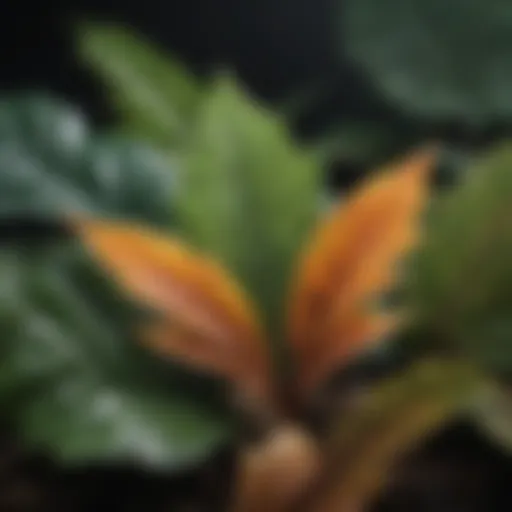
The foliage of Echeveria Black Knight is its crowning glory. The leaves are thick, fleshy, and shaped like rosettes, commonly measuring about three to four inches in diameter. They possess a unique bluish tint with deep maroon or blackish margins, giving it a dramatic look that stands out in any garden or indoor setting. Each leaf has a waxy coating that not only enhances its visual appeal but also aids in moisture retention.
In ideal conditions, the leaves can appear almost metallic in sheen, reflecting sunlight beautifully. This characteristic not only adds to its ornamental value but also indicates that the plant is receiving sufficient light. Healthy foliage is a sign of good health; wilting may signal environmental stress or inappropriate care.
Color Variations
Color variations in Echeveria Black Knight are quite fascinating. Most notably, its leaf color can fluctuate based on environmental conditions. Bright sunlight easily transforms its usual deep hues into more vivid reds and purples, especially during the growing season. When positioned in partial shade, the plant may display more subdued colors, leaning towards a paler blue-green with hints of the dark margins.
In addition, the combination of sunlight exposure and temperature can lead to spectacular shifts in color intensity. The plant thrives particularly well in full sun, enhancing these rich color contrasts. It’s worth noting that growers often appreciate these changes as they contribute to the seasonal beauty of their garden, providing an ever-evolving landscape.
Flower Structure and Blooming Period
Echeveria Black Knight produces striking flowers that emerge on elongated stalks, typically in late spring to early summer. The flowers consist of tubular shapes that can range from creamy yellow to a soft orange, often contrasting beautifully with the plant’s dark foliage.
The blooming process can last several weeks, and while in bloom, the plant attracts various pollinators, making it a fabulous addition to any garden focused on biodiversity. After flowering, the plant will likely go into a resting phase, during which its focus shifts away from growth or blooming.
Flowers are a representation of health and vitality; frequent blooms are indicative of well-cared-for Echeveria Black Knight.
In summary, the intricate physical characteristics of Echeveria Black Knight serve not only to entice the eye but also to inform care practices. Acknowledging these traits allows for optimal growth and integration into both home and garden settings.
Optimal Growing Conditions
Understanding the optimal growing conditions for Echeveria Black Knight is crucial for nurturing a healthy plant that thrives in the right environment. This resilient succulent, while forgiving, does have specific needs that must be met. Catering to these will ensure not only the plant's survival but also its vibrant growth and stunning aesthetics.
Ideal Soil Composition
Echeveria Black Knight prefers well-draining soil, which simulates its natural habitat. A mixture that retains some moisture but allows excess water to escape is ideal. Many gardeners recommend a blend of potting soil, coarse sand, and perlite, which provides aeration and drains well. In general, consider following these guidelines:
- Proportion: A standard ratio could be 2 parts potting soil to 1 part perlite and 1 part coarse sand.
- Alternative Soils: Some may use cactus mix instead, which is specifically formulated for succulents and cacti.
- Testing Drainage: To test if your soil drains well, place water in a pot and observe if it pools on top or disappears quickly. It should not take longer than a few minutes to drain.
Ultimately, the right soil composition can make or break your success in growing Echeveria Black Knight.
Light Requirements
Echeveria Black Knight is not particularly fussy about light, but it does favor bright, indirect sunlight. Direct sunlight, especially in the heat of the day, can scorch its leaves—leaving them dry and unsightly. Here are some light tips:
- Duration: Aim for at least 6 hours of indirect light each day.
- Indications of Insufficient Light: If you notice the stems elongating or the leaves becoming pale, your plant likely needs more light.
- Optimal Placement: A south-facing window is a good spot, but ensure there’s a sheer curtain to diffuse the harsh sunlight.
Balance is key; too little light and the succulent might not develop its striking hues, too much and the leaves could burn.
Temperature and Humidity Preferences
Echeveria Black Knight thrives in a temperature range between 65°F to 80°F (18°C to 27°C). However, it shows remarkable tolerance to cooler temperatures, even down to 50°F (10°C). Here’s what to keep in mind:
- Frost Sensitivity: Exposure to frost can be detrimental, so bringing your plant indoors during colder months is wise, particularly if you live in a region that experiences freezing temperatures.
- Humidity Levels: This succulent thrives in a low-humidity environment. High humidity can lead to rot, particularly in stagnant air conditions. Ideal humidity levels are below 50%.
Keep these conditions in check, and your Echeveria Black Knight will reward you with its robust growth and distinctive beauty. Monitor your plant closely after establishing its growing environment.
"The right growing conditions set the stage for a thriving Echeveria—tending to their needs can lead to amazing results in color and form."
Watering and Nutrition
When it comes to Echeveria Black Knight, getting the watering and nutrition right is crucial. Succulents, like this particular variety, are experts of drought resistance, but they still need their drink in moderation. Too much water can lead to root rot, a condition that can destroy the plant before you even realize what's happening. Proper watering and nutrition not only keep the plant healthy but also encourage vibrant growth and stunning coloration.
Watering Frequency
Finding the balance in watering can sometimes feel like a tightrope walk. For Echeveria Black Knight, the rule of thumb is to let the soil dry out entirely between watering sessions. Depending on the climate and the type of potting mix, this could mean watering once every week to ten days. During the hotter months, you might find yourself reaching for the watering can a bit more often, but always remember to check the soil first. A good test is to stick your finger about an inch into the soil; if it's dry, it’s time to water. On the flip side, if it still feels soggy, give it another few days.
In the winter months, reduce watering significantly. Echeveria enters a dormancy period where it conserves energy, and excess moisture can lead to trouble. It’s best to water roughly every two to three weeks during this time. Plus, using a pot with drainage holes is essential. Without it, the water has no escape route, leading to stagnant conditions that succulents despise.
Fertilization Practices
In terms of nutrition, Echeveria Black Knight isn’t overly picky, but it does appreciate a boost now and then. Utilizing a balanced, diluted liquid fertilizer can do wonders, especially during the growing season, which typically falls in spring and summer. A formula that is specifically designed for succulent plants, with a ratio of about 10-10-10, works effectively.
Apply the fertilizer every four to six weeks while the plant is growing. But, over-fertilizing can lead to an unhealthy accumulation of salts in the soil, ultimately harming your plant. A general guideline is to dilute the fertilizer to half the recommended strength, allowing the plant to absorb nutrients without the risk of fertilizer burn.
In short, moderate watering paired with thoughtful fertilization creates a nourishing environment for Echeveria Black Knight. This careful attention pays off in the form of vibrant, well-formed rosettes that can be a striking addition to any garden.
"Moderation is key; neglecting or overindulging your plant can lead to its detriment."
Besides fertilizing and watering, always keep an eye on your Echeveria for any signs of distress, such as wilting leaves or discoloration. Monitoring these small changes can guide your adjustments in care and ultimately lead your plant to thrive.


Repotting and Transplanting
Repotting and transplanting are essential practices for maintaining the health and vigor of Echeveria Black Knight. These tasks not only promote growth but also give gardeners an opportunity to inspect the plant's root system and adjust care as needed. Over time, as the plant grows, it may outgrow its original pot or the soil may become depleted. Therefore, understanding the signs that it's time to change the environment for this succulent and knowing the best practices for transplanting can make a world of difference.
Signs That Repotting is Necessary
Recognizing when to repot Echeveria Black Knight is key to its overall health. There are a few clear signs that can signal the need for repotting:
- Root Binding: If you notice roots growing out of the drainage holes or curling around the bottom of the pot, it's likely time to repot. This situation indicates that the plant is out of space and needs more room to develop.
- Stunted Growth: When a plant seems to stop growing, despite appropriate care, it may be a victim of depleted nutrients. In this case, the soil may no longer be providing what the plant needs.
- Water Retention Issues: If the soil tends to stay soggy for too long after watering, it might be compacted or not draining well enough, either of which would necessitate fresh soil and possibly a new pot.
- Soil Decomposition: Over time, potting mixes can break down and lose their structure. If the soil appears to be breaking down or turning into a muddy consistency, it's an indication for a repot.
Transplanting Techniques
Transplanting Echeveria Black Knight should be done with care, ensuring minimal disturbance to the plant. Here's a simple guide to follow for effective transplanting:
- Choose the Right Time: Spring is typically the best time for transplanting, as this is when Echeveria Black Knight tends to be actively growing. Avoid summer heat, which can stress the plant.
- Select the Appropriate Pot: A pot that is only one size larger than the current one is ideal. Too large of a pot can retain excess moisture and increase the risk of root rot.
- Prepare Fresh Soil: Use a well-draining succulent mix. You can add perlite or sand to enhance drainage further. Avoid using regular garden soil, as it can retain moisture.
- Gently Remove the Plant: Carefully remove the plant from its current pot, gently loosening the roots if they are tightly bound. It's important to be gentle here to avoid breaking any roots.
- Inspect the Roots: Before replanting, check the roots for any signs of rot or disease. Trim any unhealthy roots with clean scissors.
- Place in the New Pot: Fill the bottom of the new pot with soil, position the plant in the center, and fill around it with more soil. Press it gently to secure the plant but don’t compact it too tightly.
- Water Sparingly: After transplanting, water the Echeveria Black Knight lightly. It’s best to wait a week before giving it a full watering. This allows the roots to settle into the new soil without being overwhelmed.
Transplanting can be a great opportunity to refresh your Echeveria’s environment. By paying attention to the signs and following the proper steps, you can ensure that your plant continues to thrive.
Pest and Disease Management
Pest and disease management is a crucial aspect of growing Echeveria Black Knight, as it directly affects the health and vitality of these succulents. Just like humans can be plagued by illnesses and pests, these plants are susceptible to various critters and pathogens that can disrupt their growth and aesthetic appeal. Understanding the common issues and having a solid management strategy ensures that the iconic beauty of Echeveria Black Knight is preserved.
The benefits of pest and disease management cannot be overstated. Firstly, it helps maintain the overall health of the plant, allowing it to flourish. Secondly, it ensures that your garden remains visually striking, free from any unsightly blemishes or damages. Lastly, by keeping pests and diseases at bay, growers can avoid significant economic losses, especially for those who cultivate these plants for commercial purposes.
Common Pests Affecting Echeveria
Echeveria Black Knight can attract a variety of pests, making vigilance key to effective management. Here’s a rundown of some common culprits:
- Mealybugs: These small, cotton-like pests cluster on leaves and stem joints, sucking sap and causing a plant to weaken.
- Aphids: Tiny insects that feed on plant fluids, aphids can cause leaves to curl and stunt growth.
- Spider mites: Often go unnoticed until the damage is done, these minuscule pests can create webbing and yellow spots on leaves.
- Scale insects: These hard-shelled pests can tightly adhere to Echeveria stems and leaves, leading to decline.
Regularly inspect your plants, especially the undersides of leaves and where leaves meet the stems. Early detection is paramount, and natural methods, like introducing ladybugs or using neem oil, can be effective in managing these nuisances.
Diseases to Watch Out For
In addition to pests, Echeveria Black Knight can face a range of diseases that threaten their health and resilience. Here are some key diseases to keep an eye on:
- Root rot: Caused by overwatering and poor drainage, root rot manifests as yellowing leaves and wilting. The roots become mushy and smell foul, often leading to plant death if not addressed promptly.
- Powdery mildew: This fungal disease appears as white, powdery spots on leaves. While it doesn't typically kill the plant outright, it can lead to stunted growth and diminished aesthetic quality.
- Fusarium wilt: Another fungal infection that causes yellowing and wilting of the leaves, this disease is often more challenging to manage and can spread quickly.
To minimize the risk of these diseases, it is essential to ensure proper drainage, avoid waterlogging, and maintain adequate air circulation around the plants. If you notice signs of disease, removing affected areas can help control the spread while treating with appropriate fungicides may be necessary.
Comprehensive pest and disease management not only enhances plant health but also assures that Echeveria Black Knight maintains its captivating appearance, allowing plant enthusiasts to enjoy its beauty for years to come.
By being proactive in caring for Echeveria Black Knight, enthusiasts can align their cultivation practices with the best management strategies, promising a lush and thriving plant life in any outdoor or indoor setting.
Propagation Techniques
Understanding propagation techniques for Echeveria Black Knight is essential for those keen on expanding their collection or sharing the plant's unique beauty with others. Successfully propagating this stunning succulent not only enables individuals to grow new plants but also deepens their connection to the gardening process. This section will delve into two primary methods: leaf cuttings and offsets, explaining their significance, benefits, and the necessary considerations required for each technique.
Leaf Cuttings
Propagating Echeveria Black Knight through leaf cuttings is a popular approach, particularly favored by many succulent enthusiasts. This method is straightforward and can yield satisfying results if done correctly. The beauty of using leaf cuttings lies in the simplicity of the process. With just a sharp knife and a little patience, you can take a single leaf, and within weeks, watch it transform into a new plant.
- Selection of Healthy Leaves: Always choose mature, healthy leaves from the parent plant. It’s essential to pick those that are free from blemishes or signs of distress.
- Cutting Technique: Use a clean, sharp knife to cut the leaf. Make the cut at the base, where the leaf attaches to the stem to ensure a clean break.
- Drying the Cuttings: After cutting, let the leaves sit in a dry area protected from direct sunlight for about a week. This allows the cut surface to scar over, which is crucial in preventing rot when planted.
- Substrate Preparation: Prepare a well-draining soil mix. A common option is a blend of potting soil and perlite. Place the dried leaf cutting atop the soil without burying it.
- Watering Schedule: Water sparingly – a light misting will suffice until roots begin to form. Too much moisture can lead to decay.
These steps highlight the essential nature of patience, as it may take a while before roots and new growth appear.
"With proper care, leaf cuttings can develop into robust plants that reflect the charming traits of their parent."
Offsets and Division
Offsets and division represent another effective propagation method for Echeveria Black Knight. Also known as pups, offsets are small rosettes that grow at the base of the parent plant. This technique can be particularly exciting because it allows growers to replicate the experience of nurturing a new plant while maintaining a robust mother plant.
- Identification of Offsets: Look for small rosettes growing close to the base of the plant. Mature offsets are generally a few inches tall and are well-established.
- Removing Offsets: Gently separate the offsets from the parent plant using a clean knife or your hands. Ensure that a few roots come along with the offset for best results.
- Preparing for Potting: Once removed, let the offsets rest for a few hours to dry out. This allows the cut ends to close and minimizes risk of rot.
- Potting Up: Plant the offsets in a suitable container with a well-draining mix, just as with leaf cuttings. Ensure that they are upright and secure in the soil.
- Care You Should Provide: In the initial weeks, focus on keeping the soil slightly moist but not soaked. Gradually introduce them to more direct sunlight to promote robust growth.
Using offsets offers a promising way to cultivate Echeveria Black Knight, ensuring robust and genetically identical plants.
Through these propagation techniques, not only can you expand your garden but also develop a more profound appreciation for the intricacies of plant growth and care. Understanding these methods lays the groundwork for a flourishing experience with Echeveria Black Knight.
Echeveria Black Knight in Landscaping
Echeveria Black Knight offers a unique charm in the realm of landscaping, making it a sought-after choice for many gardeners and landscapers. This succulent not only contributes an exotic flair but also provides practical benefits when included in various garden designs. Its robust nature, striking coloration, and manageable size make it a versatile element in both formal and informal garden settings.
One of the hallmarks of Echeveria Black Knight is its ability to adapt to diverse landscaping styles. Whether in a pebble-strewn rock garden or a sophisticated architectural setup, this plant can seamlessly fit in. Given its appealing dark, purplish leaves with red tips, it offers contrast against lighter stones, achieving a visually pleasing effect.


Additionally, landscapers appreciate its low-maintenance nature. Once established, Echeveria Black Knight demands little attention, making it ideal for busy individuals or those new to gardening. It is drought-resistant, requiring less water than many traditional plants. This capability not only conserves water resources but also means less frequent watering during those hot summer months.
Incorporating Echeveria Black Knight in ornamental gardens can elevate the aesthetic appeal. The plant serves as a stunning focal point or can be grouped with other succulents to create engaging contrasts in color and shape.
"Echeveria Black Knight adds both beauty and simplicity, making it a perfect companion in any garden design."
Uses in Ornamental Gardens
The inclusion of Echeveria Black Knight in ornamental gardens presents numerous ornamental advantages. Its unique foliage serves as a standout element among a diverse collection of flora. Gardeners can leverage its deep colors to create striking contrasts with vibrant flowers, thus enhancing the overall visual impact of their garden.
Moreover, when planted in clusters, Echeveria Black Knight can create expansive drapes of color, becoming a canvas to work with other plants. Consider combining it with the delicate blooms of African daisies or the textural contrast of agave plants. This juxtaposition not only highlights the Black Knight’s unique characteristics but also contributes to the garden's ecological health, attracting pollinators like bees and butterflies.
Besides aesthetic functions, Echeveria Black Knight serves as ground cover in less trafficked areas of the garden. Its sprawling shape can minimize soil erosion, protecting the foundation and creating a more stabilized earth structure in various landscapes.
Container Gardening Recommendations
Container gardening serves as an ideal alternative for those with limited ground space or those who wish to create a movable landscape. Echeveria Black Knight shines in this format. Its compact growth habit makes it suitable for small pots, hanging planters, or decorative bowls.
When choosing containers, consider drainage. Echeveria Black Knight does not thrive in excessively wet conditions; therefore, pots with drainage holes are crucial. Utilizing a well-draining succulent mix or adding perlite and sand to a standard potting soil provides the needed aeration.
Best Practices for Container Gardening with Echeveria Black Knight:
- Choose Shallow Pots: Since the roots do not go deep, shallow pots suit them well, allowing for excellent drainage.
- Keep it in Bright Sunlight: Position containers where they can soak up ample sunlight. A south or west-facing window usually gives them the best exposure.
- Rotate Occasionally: If indoors, occasionally rotate the pot to prevent leaning growth toward the light source—this keeps the plant balanced and full.
In the end, container gardening with Echeveria Black Knight not only boosts your garden’s aesthetic but also allows for flexible designs that adapt to changing spaces and seasons.
Comparative Analysis
Understanding the Comparative Analysis of Echeveria Black Knight alongside other varieties is crucial for multiple reasons. This section addresses not only the unique traits and care needs of Black Knight but also how it stands within the extensive family of Echeveria plants. For enthusiasts or novices, making such comparisons can illuminate the nuances of plant care and selection.
Why Comparative Analysis Matters:
- Better Choices: By comparing Black Knight with its relatives, growers can make informed decisions that suit their gardening styles and environments.
- Unique Characteristics: Each Echeveria variety boasts distinct features. Recognizing these differences enriches the appreciation of each species.
- Crossbreeding Opportunities: Understanding the characteristics of different Echeveria varieties opens a pathway to hybridization, resulting in exciting new plants.
The following subsections delve into specific comparisons and breeding practices relevant to Echeveria Black Knight, enhancing both the knowledge and enjoyment of succulent cultivation.
Echeveria Black Knight vs. Other Echeveria Varieties
When looking at Echeveria Black Knight, one can't help but wonder how it stacks up against its cousins in the Echeveria genus. With its dark leaves and striking rosettes, Black Knight certainly has characteristics that make it a standout.
- Foliage Color: While most Echeveria display varying shades of green, Black Knight flaunts a rich, almost black hue interspersed with deep purples. This stark difference can add intrigue to any collection.
- Growth Patterns: Many varieties have sprawling growth habits, yet Black Knight retains a more compact structure. Its growth habit makes it ideal for small spaces or container gardens.
- Hardiness: Compared to Echeveria elegans or other common varieties, Black Knight shows resilience in drought conditions, reflecting its adaptations. However, it’s worth noting that it’s still sensitive to frost.
Incorporating Echeveria Black Knight amongst other varieties can create a visually arresting contrast while maintaining relatively similar care requirements. Just remember to consider their light and temperature preferences, as slight variations can significantly affect their health.
Crossbreeding and Hybridization
Crossbreeding Echeveria varieties is not simply a matter of mixing plants to create something new; it's a thoughtful process driven by the desire to enhance specific traits. Echeveria Black Knight, with its unique coloration, becomes an interesting candidate for tailored hybridization.
- Goals of Crossbreeding: The motivations behind hybridizing can include improving drought resistance, changing leaf texture, or introducing new colors. Each of these goals adds value to the existing plant.
- Common Practices:
- Selecting Parents: The key is to choose parent plants that possess complementary features. For example, pairing Black Knight with a vibrant green Echeveria could yield offspring with striking color contrasts.
- Pollination Techniques: Manual pollination is often employed to ensure desired traits are passed on. This involves collecting pollen from one plant and transferring it to the stigma of the other.
Ultimately, crossbreeding illustrates the endless possibilities within the succulent world. While some may prefer to keep Echeveria Black Knight pure, others find the joy of creating hybrids a compelling aspect of gardening.
“In the world of succulents, experimentation can lead to astonishing discoveries.”
The endeavors in crossbreeding not only promote genetic diversity but also spur creativity in design, allowing growers to tailor their collections to personal tastes.
The End
Reflecting on the Echeveria Black Knight provides a wealth of insights into its captivating qualities, growth needs, and its role in the succulent world. This section emphasizes how understanding this particular plant goes beyond mere aesthetics; it involves appreciating its place within a larger ecosystem of succulents. For garden enthusiasts—whether using them to spruce up homes or include them in professional landscaping—Echeveria Black Knight stands as a testament to nature's creativity and resilience.
It's crucial to remember that while this succulent can adapt to various environments, its care requirements are specific. Regular attention to watering schedules, the right soil mixture, and proper light conditions can greatly enhance its vitality. Moreover, being aware of possible pests and diseases ensures that growers can act quickly, preserving both the plant's health and their investment in it.
"Loving any living thing involves a responsibility; it’s a two-way street. Caring for Echeveria Black Knight means embracing this commitment, and in return, it offers beauty and tenacity."
Summary of Key Points
In summarizing the essential points covered in this article, several key takeaways emerge:
- Unique Aesthetics: The standout characteristics of Echeveria Black Knight include its deep dark foliage and striking colors, making it a collectible among succulent lovers.
- Care Requirements: Understanding its needs—from soil composition to light exposure—is foundational for encouraging growth and optimal health.
- Propagation Techniques: Insights into various propagation methods, like leaf cuttings and offsets, provide the means to share this succulent with friends and expand one’s collection without hassle.
- Importance in Landscaping: Echeveria Black Knight can be tailored to enhance gardens, both in ornamental contexts and practical settings, showcasing its versatility.
These aspects underscore the importance of adequate care and knowledge in supporting the Echeveria Black Knight in both personal and broader horticultural settings.
Future of Echeveria Cultivation
As we look ahead, the future of Echeveria cultivation seems both promising and exciting. Increasing interest in sustainable gardening and the use of native plants can lead to a resurgence in the appreciation for cultivars like the Echeveria Black Knight. This may drive new research into resilient species and hybrid varieties that can thrive under changing climate conditions.
Moreover, as more individuals engage with their gardening practices, whether for relaxation, decor, or ecological stewardship, the in-depth knowledge of caring for plants like Echeveria will be essential. In addition, the trend of microgardening and indoor gardening is likely to popularize darker succulents like the Black Knight due to their striking appearances and lower care needs.
Ultimately, regular updates in cultivation methods, pest management, and conservation will ensure that the Echeveria Black Knight not only survives but flourishes in diverse environments.